
Learn More About the Company
Horseneck Metal Arts
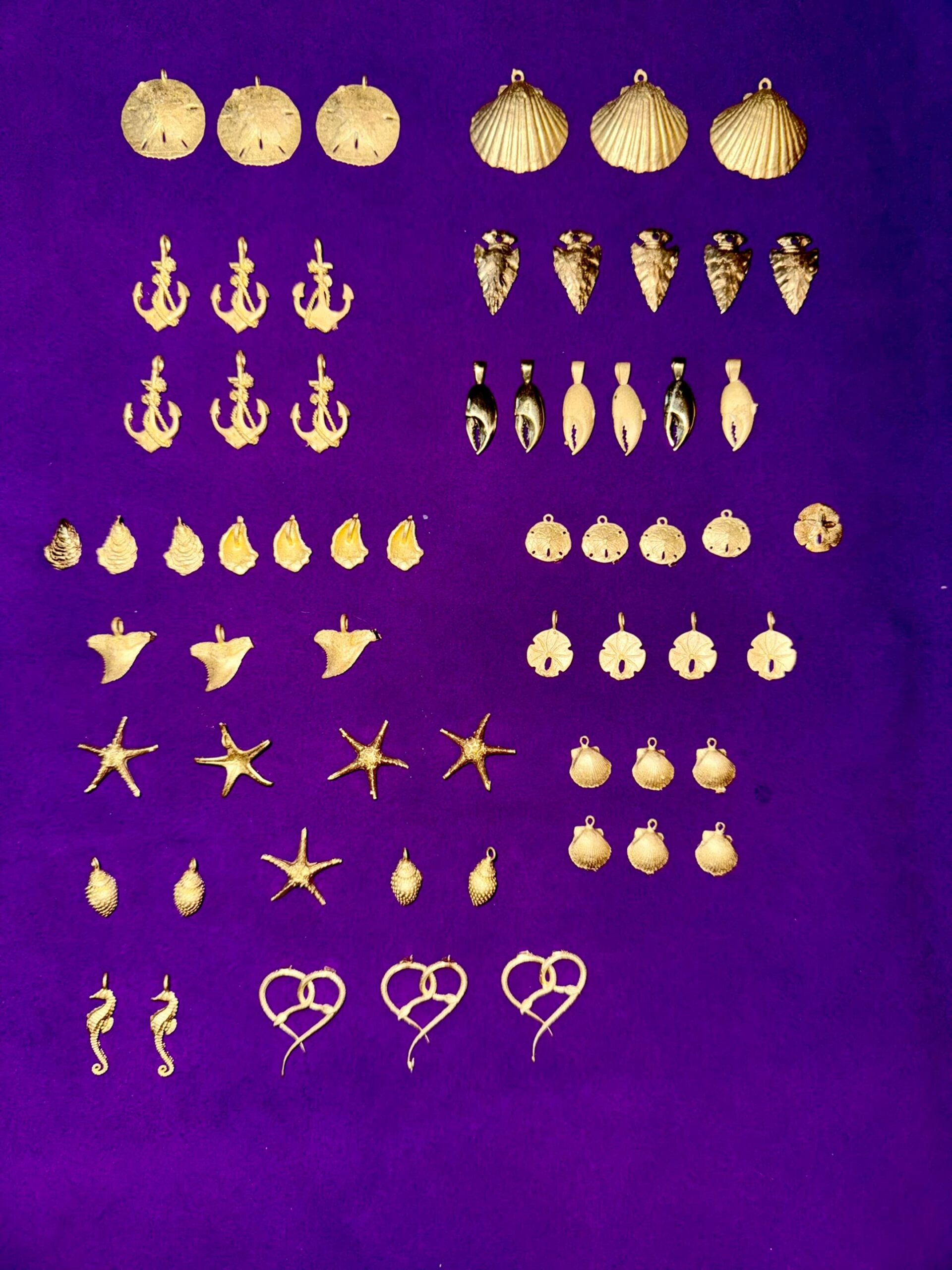
Dedicated to the craft of lost wax casting jewelry, Horseneck Metal Arts was founded on the idea of doing something different. With so much technology at our fingertips, it’s sometimes forgotten what can be done using ancient techniques and practices. The art of lost wax casting is said to be over 6000 years old and yet still has a place in modern manufacturing and especially in the fabrication of art pieces. It involves creating a wax pattern, burning that out in plaster, and replacing it with metal.
Though the casting process is ancient, the art of creating the pattern (the “lost wax”) has evolved through several stages and now lives on the edge between digital and physical art. Patterns can be physically cut by hand, molded from organic shapes such as seashells or starfish, or they can be digitally scanned and printed in highly detailed 3d wax prints. Regardless of the technique, once the pattern is created the rest of the process is the same as was done 6000 years ago, though perhaps with better tools and materials. It is humbling to be able to use these ancient techniques to recreate nature’s most beautiful shapes in metal so that they can be cherished for generations long after the natural forms they were inspired from were lost to time.
About the Artist
Jake Piskura
I have always had a love for the ocean while also pursuing technology in many forms. Living in the South Coast of Massachusetts provides access to both through the many beaches, industries and Universities located here. After growing up in western Connecticut, I moved here to attend UMass Dartmouth for what would turn out to be eight years and two degrees in Mechanical Engineering and a minor in Physics.
After that I spent more than twenty years as a Mechanical Engineer in the undersea defense sector. One day I had the urge to break from the scripted industrial element and focus more on the art of design and creation through lost wax casting jewelry. Nature is the ultimate designer, and I am reminded of this every time I look at a plant, sea creature, or unusual seashell. I’m grateful to be living in this area and to have this opportunity to share my work with people who think a little bit like me. Thanks for reading!
Fine-Tuned, Timeless, Hand Crafted Pieces
About the Process
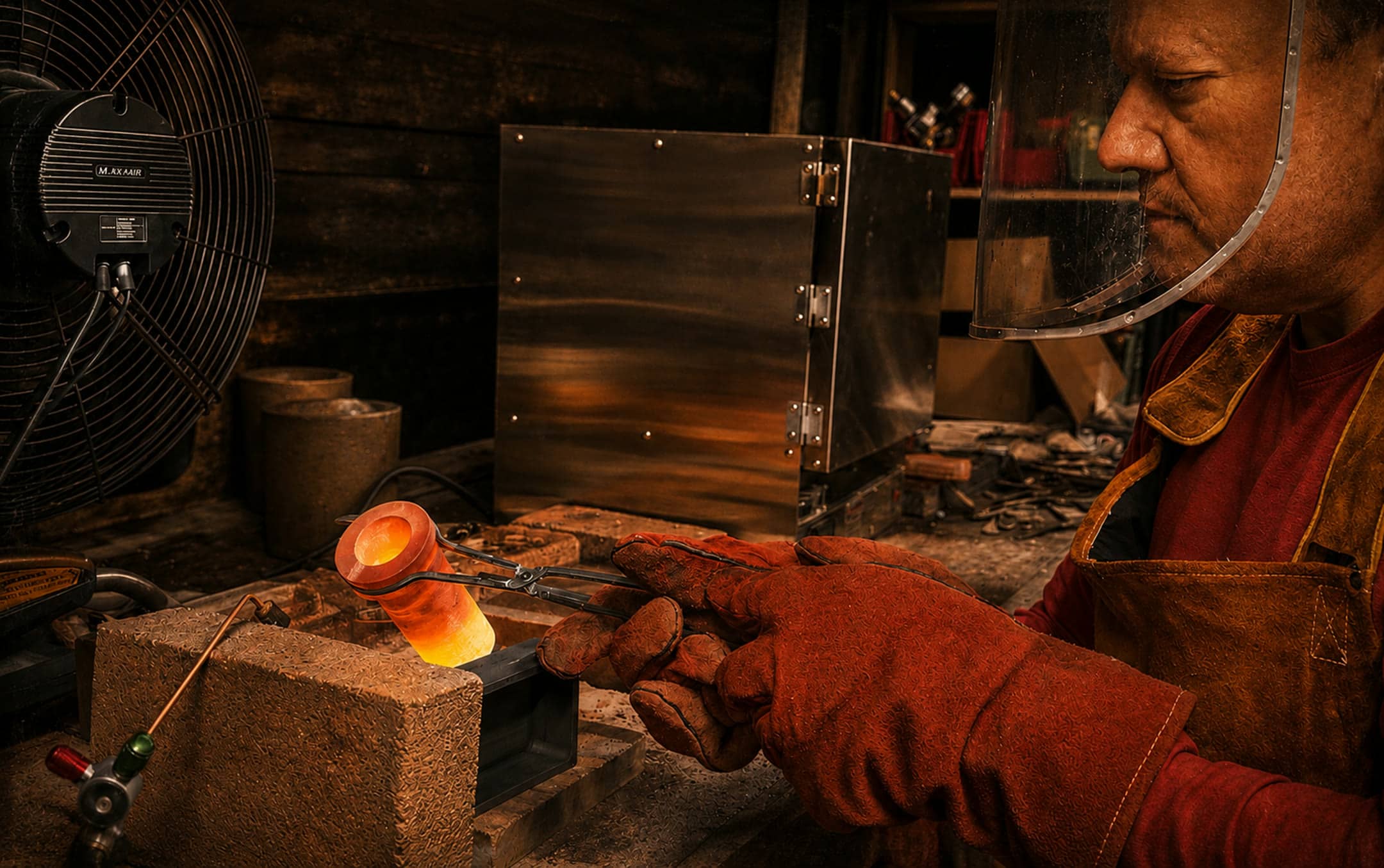
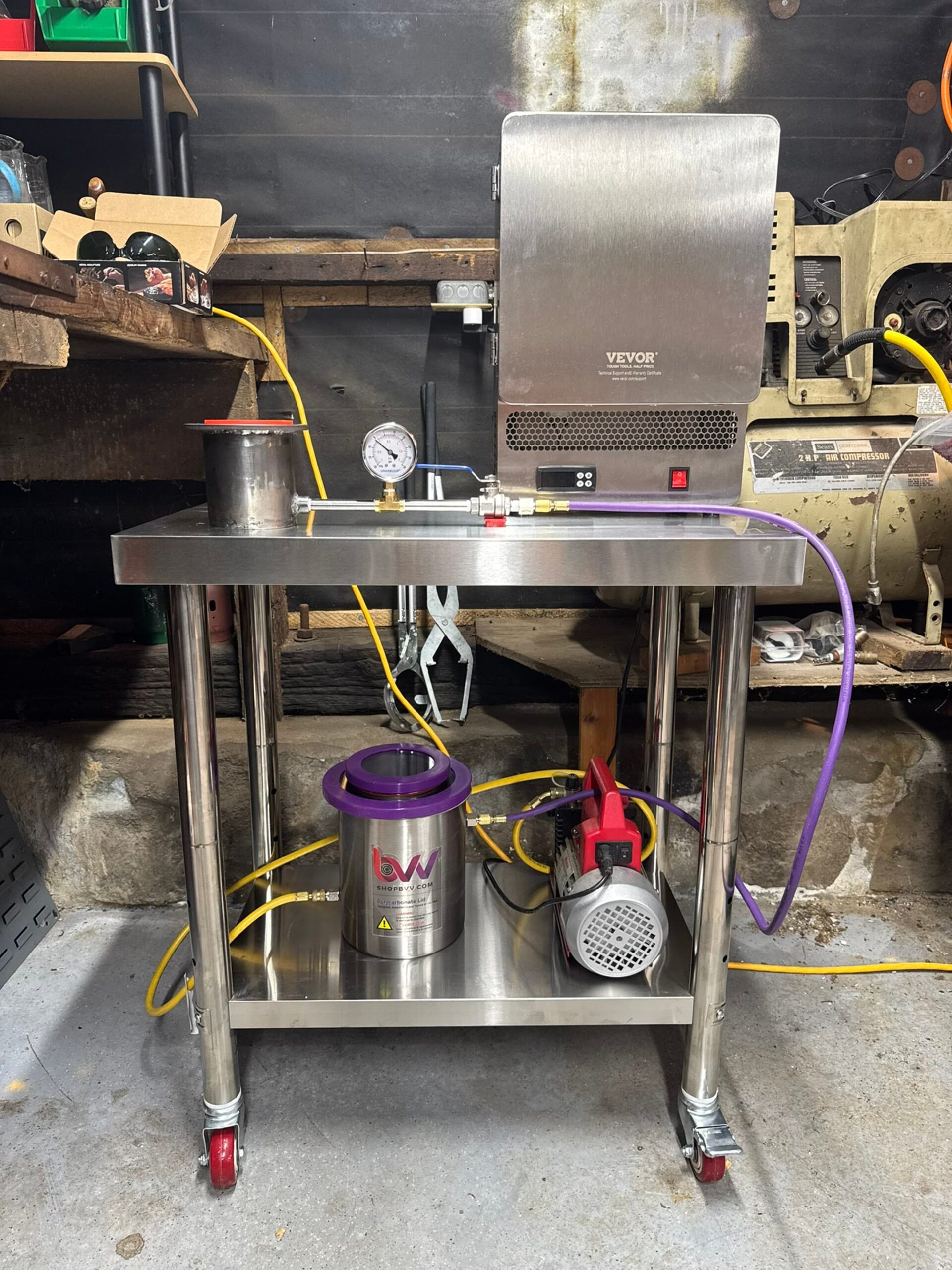
Transforming these forms from their natural state to a metal casting is a long but rewarding process. Typically, it involves photography, photogrammetry, or laser scanning to first digitize the object and create a mesh that can be worked with on a computer. Refinements and adjustments are made digitally and then a wax pattern is printed directly from the digital file. The wax pattern is then attached to a central wax column, or sprue, used to feed the metal, and a plaster investment is poured around the pattern inside of a flask. A fifteen-hour burnout cycle removes the wax pattern and sprue leaving a perfectly detailed cavity for the metal to be poured in later. When it’s time to pour, I use a custom-built vacuum casting machine to pull air through the plaster and ensure every detail gets filled with no air bubbles.
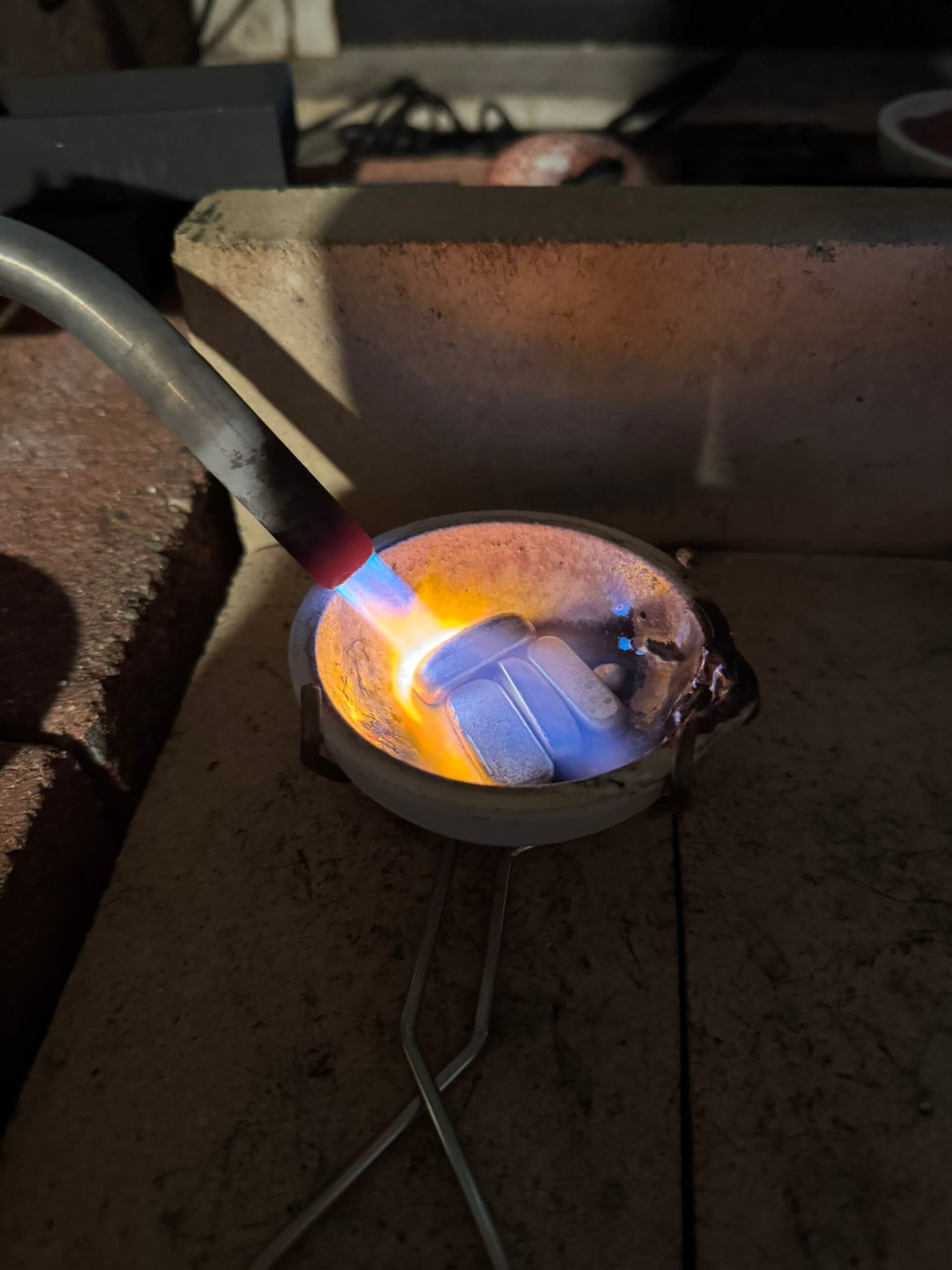
Temperature control of both the metal and the flask is extremely important. Get it wrong and the castings are full of defects. Get it right and it feels like magic! After the piece has cooled it is quenched and removed from the plaster and flask. The piece is cut off from the sprues, and the finishing process begins. This involves pickling with acid, removal of all fire scale, sanding any imperfections, and finally polishing. A patina can be added after polishing if desired. Patinas are added hot using a torch and various chemicals in a layered process until the desired colors are reached. Many colors are possible from a snow-white (Bismuth Nitrate) to a fiery red (Ferric Nitrate) or even a Tiffany-style green.